
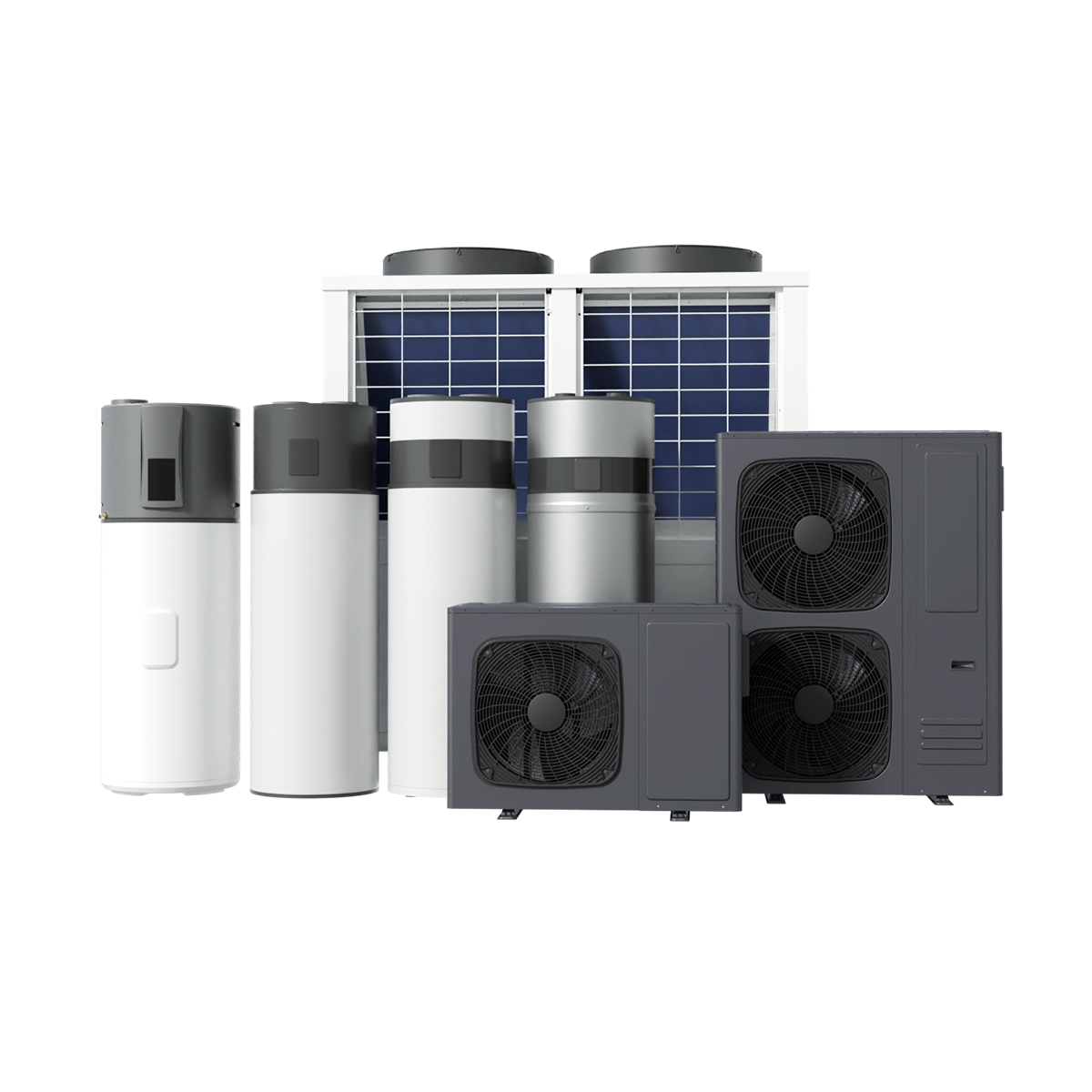
For years, installing heat pumps in Europe’s aging apartment blocks has been a nightmare. There is simply no exterior wall space for an outdoor condenser unit. Residents need heating and hot water, but the equipment physically cannot be installed.
Enter Indoor R290 Heat Pumps.
It sounds like a high-risk gamble to bring Propane (R290, A3 flammable) into residential living spaces. But in reality, it is a severely undervalued goldmine for the EU retrofit market. The key to this transformation? Compliance.
The Turning Point: The 988g Regulatory Limit
The game-changer is the IEC 60335-2-40:2022 (Ed7) standard. This update raised the maximum charge limit for indoor R290 units from roughly 150g to 988g. Propane has officially moved from a “restricted zone” to a “compliant route.”
However, this red line isn’t for everyone. To legally exceed 150g up to the 988g ceiling, specific safety architectures are mandatory: Leak detection + Shut-off valves + Active ventilation.
If you haven’t accounted for these safety measures, your unit won’t even pass CE certification, let alone enter the EU or Australian markets.
Three Things You Need to Know Before Entering This Market:
1. Safety: The 988g is a Calculated Engineering Ceiling
Why 988g? It’s based on worst-case scenarios. If a typical European apartment equipment room (44m³) experiences a full, ideal-mixed leak of a 0.988kg charge, the concentration reaches 0.0224 kg/m³. This is strictly capped at 59% of the Lower Flammability Limit (LFL).
Combined with mandatory A3 detectors (alarming at 25% LFL and cutting power at 50% LFL), it guarantees safety. Note: Because R290 is 1.5x heavier than air, low-positioned detectors (~0.3m) are non-negotiable.
2. Engineering: Low-Charge Design is Your Moat
To safely use the 988g ceiling, the industry is moving towards a “Low-Charge Design” (micro-channel, distributed charging, brazed plate heat exchangers). This means compressing the charge to ~120g per module. This isn’t just a gimmick; it’s a compliance necessity.
For R&D and decision-makers, this is clear: investing in leak detection, gas-liquid separators, and active ventilation is your cost of entry. Mastering low-charge technology is a moat that competitors cannot copy overnight.
3. Market: Compliance is the Ticket to Entry
The EU’s “Renovation Wave” plan aims to retrofit 35 million building units by 2030, many of which are space-constrained apartments. The demand is real. However, the supply is virtually empty. While the EU and Asia follow IEC standards, the US UL is currently stuck at 114g (until the 2028 edition).
This means: Whoever successfully builds the “988g + Leak Detection + Active Ventilation” compliant architecture will grab the golden ticket to the EU retrofit market.
Compliance is no longer just a cost; it’s a premium capability. For most factories, this is a barrier. For those who get it right, it’s a highly profitable business with high entry barriers.
The Bottom Line:
Bringing Propane indoors is not a gamble. It’s a smart, compliance-driven business opportunity.
Are you still waiting at the 150g threshold, or are you already running this new architecture? Let’s discuss how to secure your market share in the comments below.
👉 [Contact Us / Explore Our R290 Solutions] to learn how our compliant components and testing systems can help you pass CE certification and conquer the EU market.
