
Introduction
The landscape of industrial energy efficiency is undergoing a massive shift. If we look closely at the evolution of waste heat recovery, we can clearly identify three distinct waves.
The first wave (2010-2018) focused on single-equipment retrofits. Factories simply added heat exchangers to boilers or air compressors. The second wave (2019-2025) moved toward process-level cascade utilization, matching different grades of heat to different needs. Today, we are stepping into the third wave: System-Level Energy Optimization.
Based on our practical experience in industrial energy management, the third wave is not just about upgrading equipment. It is about reconstructing the entire energy system—integrating heat, electricity, cooling, and gas into a unified, intelligent network.
1. Why is this happening now? Three converging forces
The transition to system-level optimization is not a coincidence. It is driven by a perfect storm of policy shifts, technological maturity, and shifting economics.
Policy and Carbon Market Pressures
Globally, governments are tightening energy efficiency regulations. The focus is no longer on “saving a little energy,” but on reaching “benchmark efficiency levels.” For energy-intensive industries, upgrading is no longer optional—it is a requirement for survival. Furthermore, the expansion of carbon pricing means that energy savings are now directly tied to carbon asset revenues. This significantly improves the ROI of retrofit projects, potentially reducing payback periods from 5 years to 3 years.
Technological Maturity: The “Holy Trinity” of Energy
The third wave relies on three core technologies:
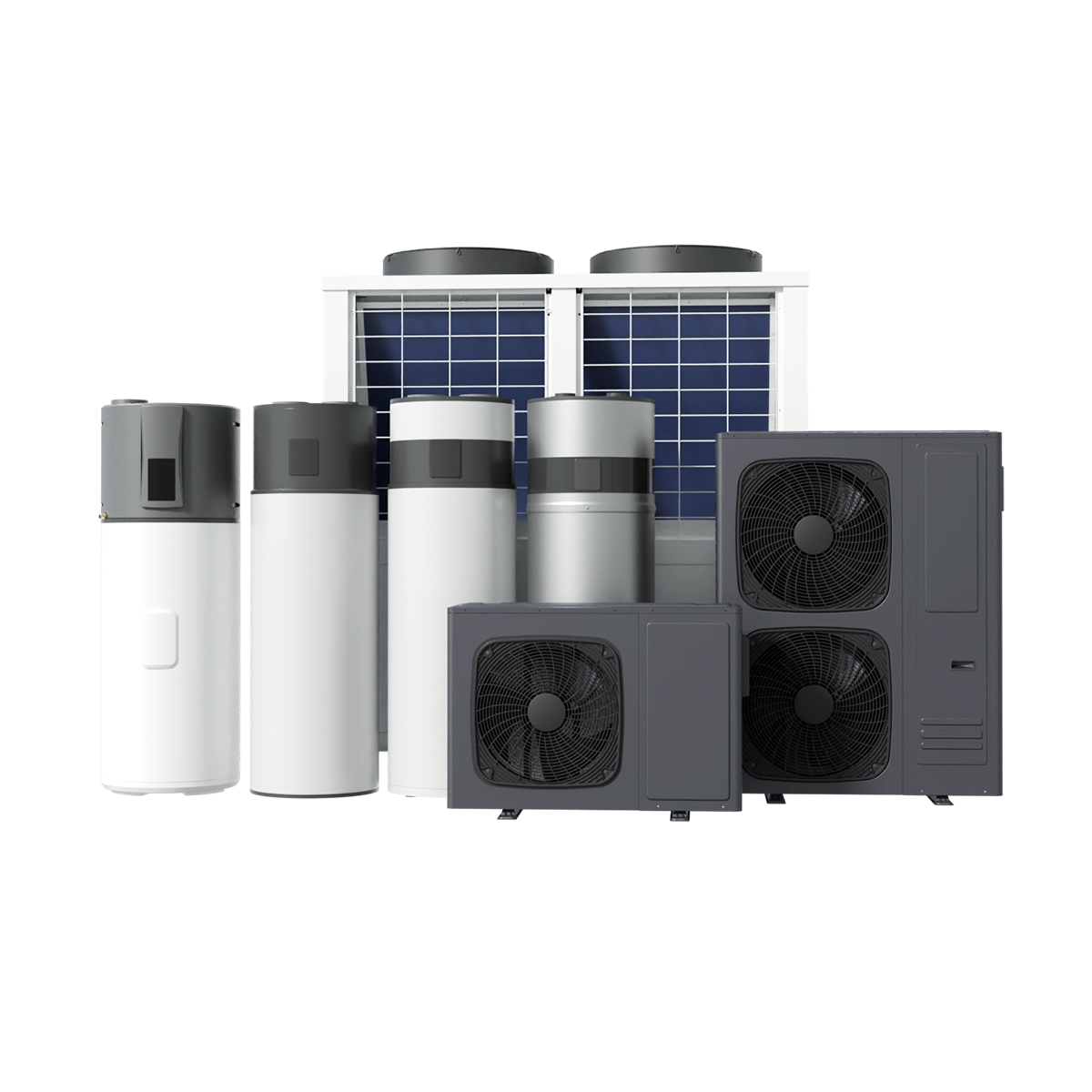
High-Temperature Heat Pumps: Modern heat pumps can now upgrade low-grade waste heat to 100°C or even 150°C, making it viable for direct process heating.
Thermal Storage: Technologies like water, phase-change materials (PCM), and molten salt storage help decouple heat generation from demand, allowing factories to store excess heat for peak demand.
Digitalization: IIoT, digital twins, and AI algorithms enable real-time monitoring and multi-variable predictive control, automatically balancing complex energy loads.
The Cost “Scissors Gap”
While industrial electricity and gas prices are trending upward (with peak-to-valley price gaps widening 4-5x), the cost of heat pumps, thermal storage, and sensors is dropping rapidly. This widening gap makes system-level retrofits highly financially attractive.
2. What does System-Level Energy Look Like? Three Paradigms
To understand “system-level optimization,” let’s look at three real-world paradigms currently being implemented.
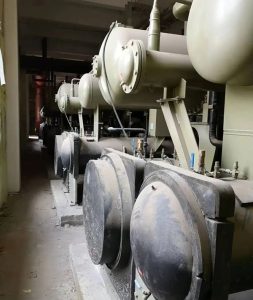
Paradigm 1: The Thermal Closed-Loop Energy Station
This is highly relevant for industries like lithium battery manufacturing, coating, and drying—where drying ovens consume 55-65% of total energy and exhaust massive amounts of hot air (70-105°C).
The Traditional Way: Exhaust air is wasted, and heating relies on steam or electricity.
The System-Level Way: A closed-loop station recovers exhaust heat via heat exchangers, upgrades it using high-temperature heat pumps (up to 150°C), and feeds it back to the ovens.
The Result: A single 2.67MW closed-loop station can save over 30,000 tons of steam annually, achieving an overall energy-saving rate of over 60%, with a payback period of under 2 years.
Paradigm 2: The Plant-Wide Energy Island
This paradigm takes the entire factory’s energy system into consideration. An “Energy Island” integrates:
Waste heat recovery systems across all processes.
High-temperature heat pumps.
Thermal storage for peak shaving.
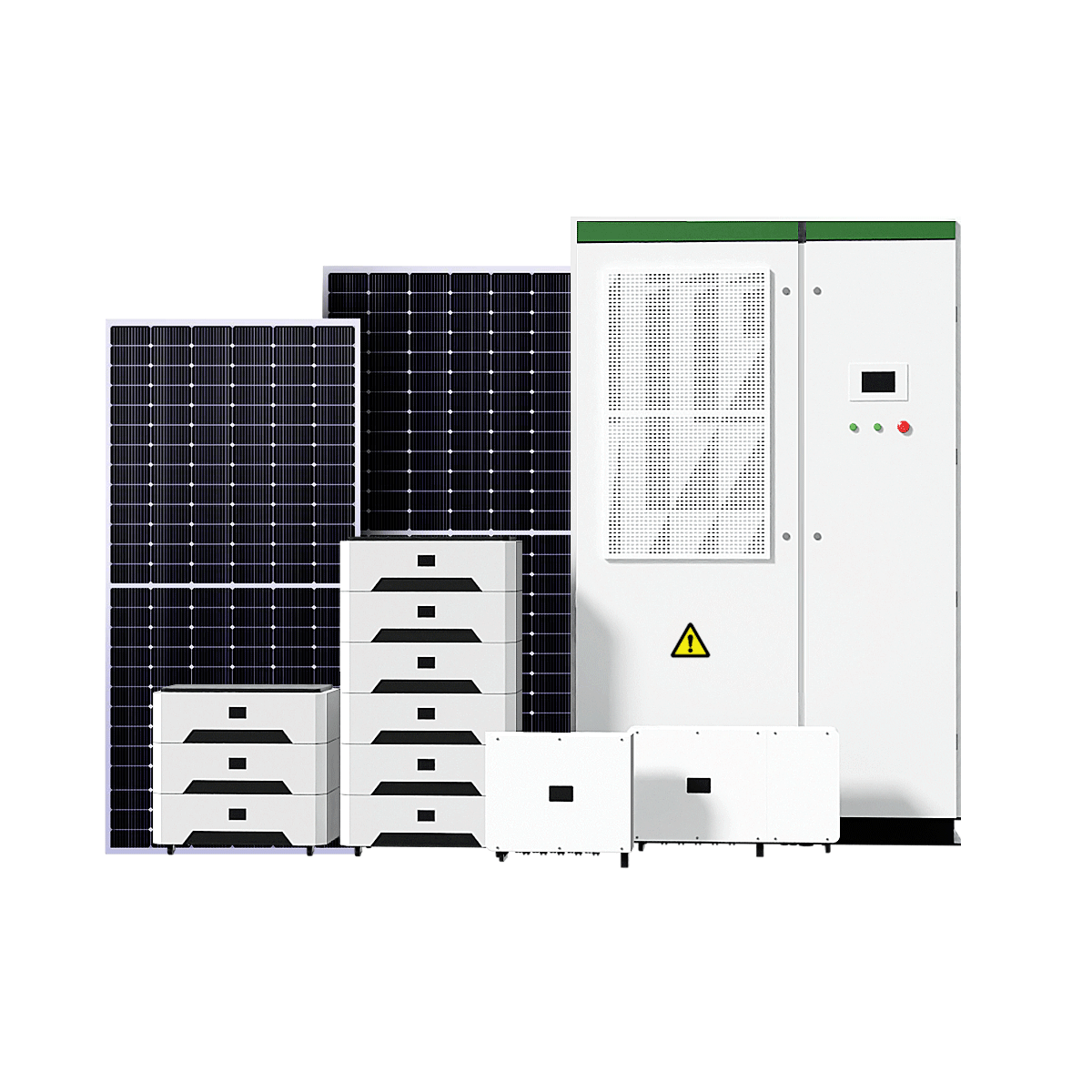
PV (Photovoltaics) and battery storage.
An intelligent Energy Management System (EMS) to coordinate everything.
By dynamically deciding when to use waste heat, heat pumps, storage, or backup boilers, the system achieves overall optimization, which is the standard for modern green and zero-carbon factories.
Paradigm 3: Park-Level Energy Microgrid
Imagine an industrial park where some factories generate excess waste heat (e.g., chemical plants), while others need heat but cannot produce it economically (e.g., food or textile factories).
A park-level microgrid builds a shared thermal network. Waste heat is sold to the grid, and other factories buy cheaper green heat. Energy service providers manage the network. Some pilot zones have increased regional comprehensive energy efficiency to over 91.6%.
3. Business Model Innovation: From Selling Equipment to Selling Services
The third wave is not just a technical upgrade; it is a shift in business models.
Energy Performance Contracting (EMC): Service providers invest, build, and operate the system. The client pays zero upfront and shares the energy savings. Today, EMC models are evolving from “single equipment” to “system-level” services with guaranteed returns.
Energy Hosting: Factories outsource their entire energy system (boilers, compressors, chillers) to a service provider and pay based on energy consumption. The provider’s profit comes from how efficiently they run the system.
Energy-as-a-Service (Subscription): The most advanced model. Clients subscribe to “energy savings.” The service provider owns the equipment and commits to a specific energy-saving rate (e.g., 30%). If the target is not met, the provider compensates the client. The client only pays for the verified results.
4. Challenges and Risks: It’s Not Just “Plug and Play”
Despite the potential, system-level retrofits come with real challenges that both manufacturers and service providers must navigate:
The Gap Between Lab Data and Real-World Conditions: According to industry data, actual operational efficiency is often 11.3 percentage points lower than laboratory test data due to load fluctuations, water quality, and environmental changes. Therefore, referring to actual case studies in similar scenarios is crucial.
High O&M Requirements: System complexity increases exponentially with multiple heat pumps, piping networks, and smart controls. Without professional operation and maintenance, efficiency will decay quickly. This is why EMC + professional O&M models are highly recommended.
Data Security and Control: System-level optimization requires massive production data. For large enterprises, data security and control rights are major concerns. Localized deployment, data masking, and strict audit trails are common solutions.
Supply Chain and Lead Times: Key components like high-temperature compressors and special heat exchangers are still ramping up production. Industry statistics show that critical component prices can fluctuate by 23.7%, with lead times extending to 26.8 weeks. Project timelines must account for this.
5. Actionable Advice for Manufacturers and Service Providers
For Manufacturers:
Look at Total Cost of Ownership (TCO): Do not just look at the equipment purchase price. For continuously running equipment (heat pumps, compressors), the lifecycle energy cost is far greater than the initial purchase price.
Start Small, Plan System-Wide: It is okay to start with a pilot retrofit, but you must plan with a system mindset. Ensure subsequent retrofits can be interconnected and share a common energy management platform to avoid data silos.
Use EMC to Mitigate Risk: For uncertain technologies, use an EMC model. Let the service provider bear the investment and technology risks while you provide the site. Expand cooperation if results are proven.
Treat Carbon as a Bonus, Not the Core: Carbon revenues are the “icing on the cake.” The core commercial logic must be driven by actual energy cost savings, as carbon prices and policies are volatile.
For Energy Service Providers:
Transition from Selling Equipment to Selling Results: Clients want guaranteed outcomes, not just hardware. Those who can provide reliable, verifiable performance guarantees will dominate the market.
Build Industry Know-How: Equipment can be bought by anyone. Your competitive edge lies in your deep understanding of specific industry processes, parameter matching, and system integration experience. Focus on one or two industries and go deep.
Digitalization is a Must-Have: Clients demand visualized energy-saving results. A robust digital system with remote monitoring and data reporting is mandatory, not a bonus.
6. FAQ (Frequently Asked Questions)
Q: How long is the payback period for a system-level waste heat recovery retrofit?
A: With current energy prices and technology costs, integrated projects—such as thermal closed-loop systems—can have a payback period of under 2 to 3 years, especially when carbon-related financial benefits are included.
Q: What industries are best suited for the third wave of waste heat recovery?
A: Industries with continuous high-temperature exhaust and simultaneous high-temperature process heating needs are ideal. This includes lithium battery manufacturing (coating), textile dyeing and finishing, food drying, and pharmaceutical drying.
Q: What is the difference between EMC and Energy Hosting?
A: In an Energy Performance Contracting (EMC) model, you share the verified energy savings with the service provider. In an Energy Hosting model, you completely outsource the energy system and pay a fixed rate based on your actual energy consumption, while the provider pockets the efficiency gains.
Q: How can I ensure data security if I use a third-party Energy Management System?
A: You should request local or edge computing deployments for critical data, implement data masking for sensitive process parameters, and establish strict user access controls and audit logs in the contract.
