
From Design to Delivery: End-to-End Solar Module Partnership
Linuo Ritter โ 32 Years of Excellence in Photovoltaic Technology
- One-stop solar module procurement
- OEM/ODM Solar Panel Customization
- 24-hour local technical support
- Ready for direct export worldwide
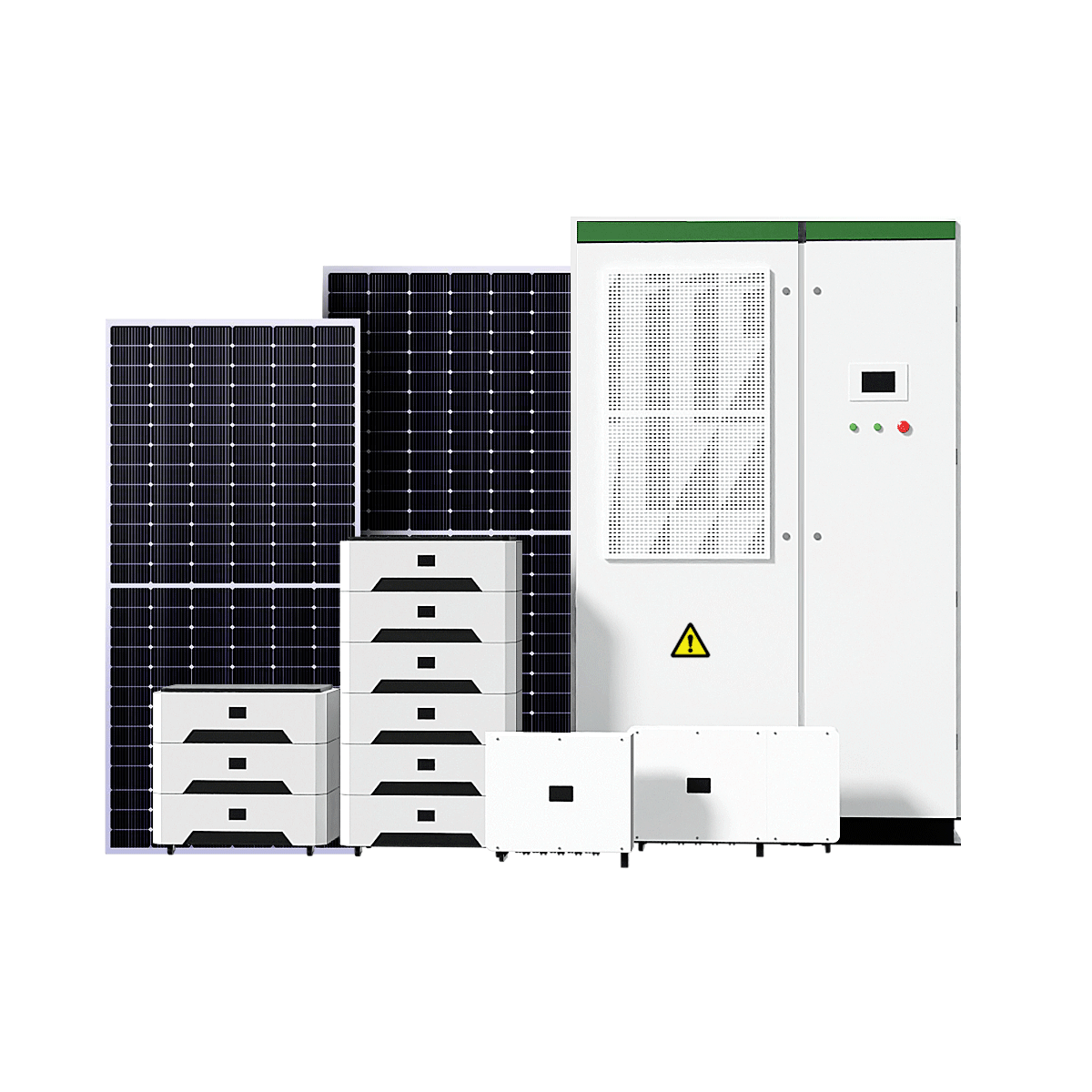
Photovoltaic energy storage integration
Linuo Solar โ 32 years of PV manufacturing excellence, delivering over 120 GW of high-efficiency modules worldwide with vertically integrated production, IEC/UL/CE certified, and trusted by 500+ global partners.
โย Rated output power: 6 kW / 8 kW
โย Photovoltaic input: Maximum 12 kW / 16 kW
โย Battery system: 409V high-voltage platform
โย Protection rating: IP66
โย Switching time: < 10 ms
โย Rated output power: 6.2 kW
โย Battery capacity: 5.12 kWh ~ 15.36 kWh
โย Photovoltaic input: Maximum 9.3 kW / 500 Vdc, MPPT efficiency 99.9%
โย Switching time: << 10 ms
โย Overall conversion efficiency: Maximum DC-AC efficiency > 92%
โย Rated Energy: 5.32 kWh ~ 16.076 kWh (Four specifications available)
โย Rated Voltage: 51.2 V (Operating voltage range 42~58.4 V)
โย Cycle Life: โฅ 6000 cycles (25โ, 95% DOD)
โย Maximum Charge/Discharge Current: Up to 150 A (25ยฑ2โ)
โย Communication Interface: CAN / RS485
โย Output Voltage: 220/230/240VAC ยฑ5%
โย Output Frequency: 50/60Hz ยฑ0.1%
โย Parallel Operation: Supports 1~6 units in parallel
โย Display: LCD screen
โย Communication Interface: USB / RS485 / Dry contact / WiFi / GPRS (optional)
โย Noise: โค60dB
โย Rated battery voltage: 48V
โย Maximum DC input voltage: 1000V
โย Rated output voltage: 380/400V
โย Rated frequency: 50/60Hz
โย Protection class: IP66
โย Noise level: <55dB
โย Rated battery voltage: 48V
โย Maximum charging voltage: โค60V (configurable)
โย Rated output voltage: 220/230V
โย Maximum efficiency: 98%
โย Dimensions: 198ร427ร554mm
โย Noise level: <55dB
โย Battery voltage range: 40~60V
โย Maximum DC input voltage: 500V
โย Maximum efficiency: 97.6%
โย Dimensions: 338ร480ร205mm
โย Intelligent forced air cooling
โย Noise level: <50dB
โย Rated battery voltage: 48V
โย Maximum charging voltage: โค60V (configurable)
โย MPPT voltage range: 150~450V
โย Rated output voltage: 220/230V
โย Maximum efficiency: 97.6%
โย Topology: High-frequency isolation (battery side)
โย Dimensions: 198ร427ร554mm
โย Output power: 575W โ 585W
โย Maximum conversion efficiency: 22.65%
โย Module structure: 144 half-cells (6ร12ร2) bifacial double-glass
โย System voltage: 1500V DC
โย Module dimensions: 2278 ร 1134 ร 30 mm
Output power range: 690W โ 720W
Maximum conversion efficiency: 23.18%
Module structure: 132 half-cell double-glass bifacial
System voltage: 1500V DC
Module dimensions: 2384 ร 1303 ร 33 mm
โย Output power: 545W โ 555W
โย Maximum conversion efficiency: 21.48%
โย Power tolerance: 0 ~ +5W (positive tolerance)
โย System voltage: 1500V
โย Number of cells: 144 (half-cell design)
โ 620W-640W high-power modules
โย IP68 protection rating
โย Maximum system voltage 1500V DC (IEC certified)
โย 20-year product warranty
โ Operating temperature range: -40โ to +85โ
Our 250,000-square-meter factory integrates automated production lines and intelligent testing laboratories.
We specialize in OEM and ODM collaborations, providing customized development services to meet your market needs.
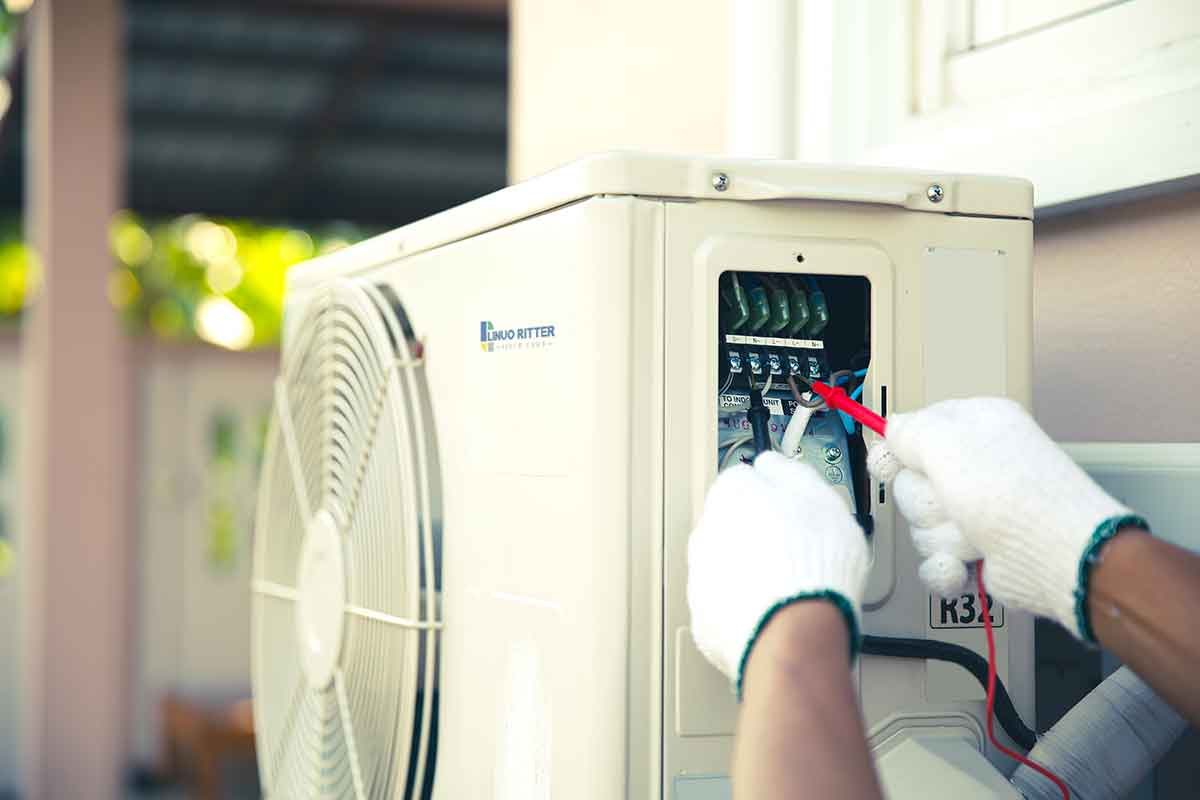
Operating system localization technical support
Services compliant with EU, North American, and European product certification standards
Plans to establish localized service centers globally.
Currently, we are actively developing our global service network to continuously provide excellent service for your business expansion.
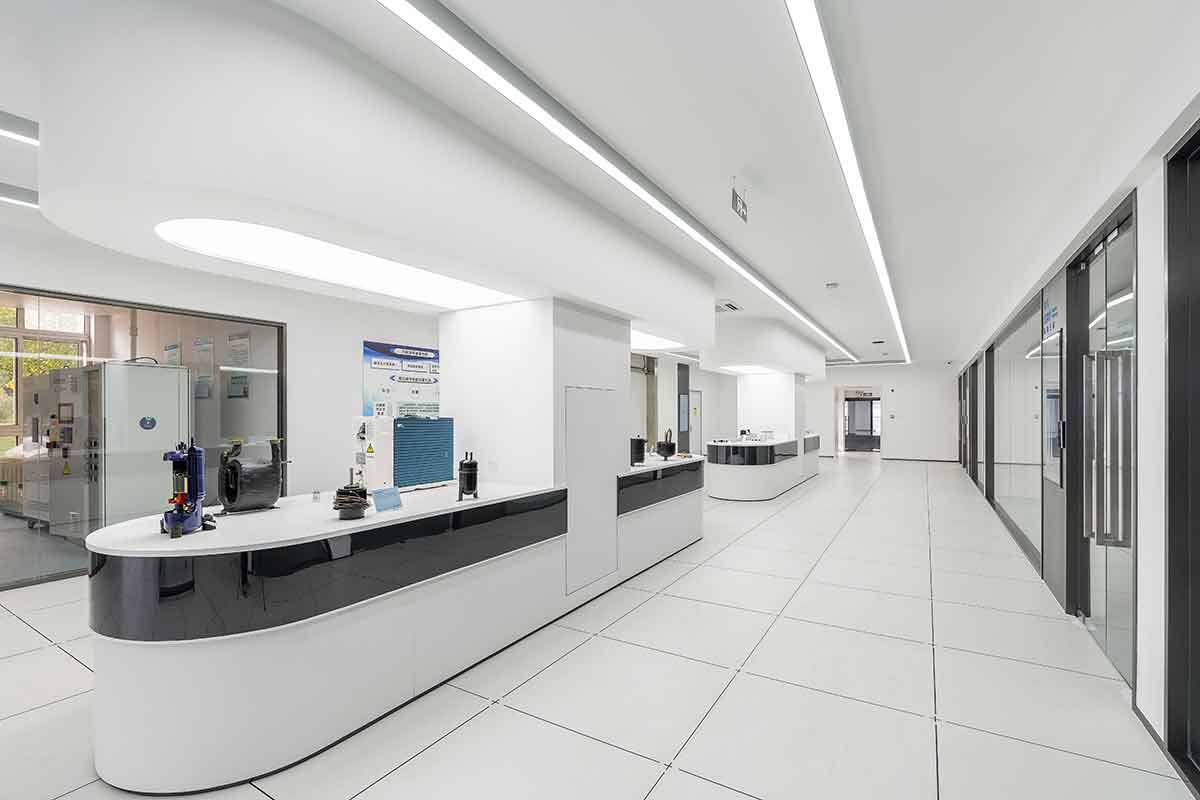
Each product undergoes 300 precise error tests and comprehensive simulation verifications during its development process.
All of this is to ensure that the products have a long lifespan, are durable, and have excellent energy efficiency.
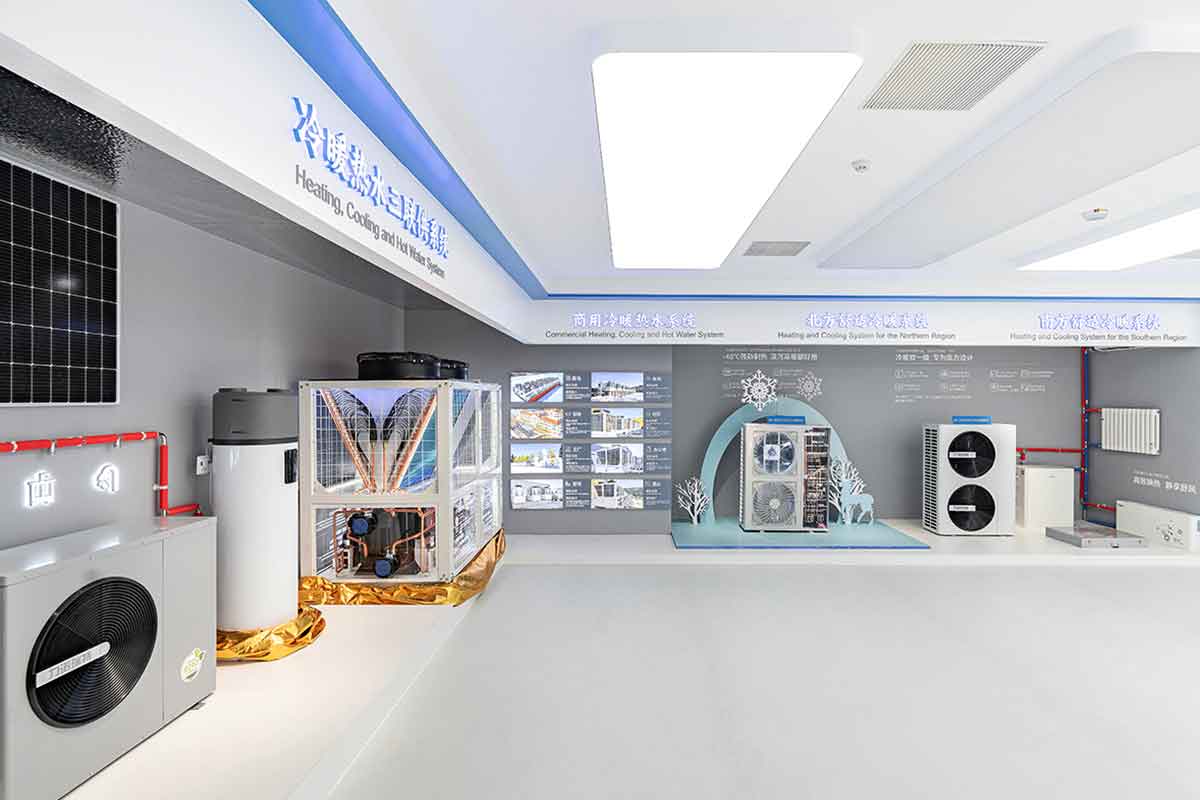
Over 300 professional engineers
Over 160 technology patents
Four global R&D centers
Linuo Ritter is committed to providing world-leading, high-efficiency, cutting-edge heat pump solutions with intelligent design and control.
FAQs
A solar battery storage system stores excess electricity generated by your PV panels for later use. During daylight, surplus energy charges lithium-ion or LFP batteries instead of exporting to the grid. At night or during outages, the inverter draws stored power to supply your home. Modern systems include smart energy management to optimize charging cycles and maximize self-consumption rates up to 80-90%.
Quality lithium iron phosphate (LFP) solar batteries last 10โ15 years with 6,000โ10,000+ charge cycles. Most manufacturers guarantee 70โ80% remaining capacity after 10 years. Actual lifespan depends on depth of discharge (DoD), temperature management, and cycling frequency. Premium systems with active thermal management outperform standard units by 20โ30% in longevity.
DC-coupled batteries connect directly between solar panels and a hybrid inverter, offering higher efficiency (95โ98%) and lower installation costsโideal for new solar installations. AC-coupled systems connect via your home’s electrical panel, compatible with existing solar setups and enabling flexible retrofitting. AC-coupling allows multiple inverter brands but sacrifices 3โ5% efficiency through double conversion.
Residential solar battery systems cost $8,000โ$20,000 installed, depending on capacity (5โ20 kWh), brand, and inverter compatibility. Popular 10 kWh units range $10,000โ$14,000. Federal tax credits (30% ITC in the US) and local incentives reduce net costs significantly. Levelized cost of stored energy typically falls between $0.15โ$0.30 per kWh over the battery lifetime.
Size your battery based on daily evening consumption and backup priorities. Average homes use 10โ15 kWh overnight; a 10โ13 kWh battery covers essential loads (lights, refrigerator, WiFi) for 24 hours. For whole-home backup during outages, calculate total daily usage (20โ40 kWh) and desired autonomy days. Oversizing reduces cycle frequency but increases upfront investment.
Yes, off-grid solar battery systems operate independently using larger battery banks (20โ100+ kWh) and backup generators. However, most residential installations are grid-tied with battery backupโmaintaining grid connection for reliability while using stored energy during peak rate periods or outages. True off-grid requires meticulous load management and oversized solar arrays.
Lithium Iron Phosphate (LFP) dominates residential solar storage due to superior thermal stability, 6,000+ cycles, and non-toxic chemistry. Nickel Manganese Cobalt (NMC) offers higher energy density (compact size) but degrades faster and poses greater fire risks. For stationary home storage, LFP’s longer lifespan and safety profile make it the industry standard, while NMC persists in space-constrained commercial applications.
Yesโif configured with backup capability. Standard grid-tied solar shuts down during outages for safety. Hybrid inverters with EPS (Emergency Power Supply) or off-grid inverters isolate your home and power critical circuits from battery storage. Backup response time varies: 10ms for seamless switchover (UPS-grade) or 5โ30 seconds for basic emergency circuits. Verify EPS ratings before purchasing.
Round-trip efficiency measures energy retained from storage to discharge, typically 85โ95% for lithium-based systems. Losses occur during DC-AC conversion, heat dissipation, and battery internal resistance. Premium inverters (SMA, Sungrow, Solis) achieve 90%+ efficiency. Higher efficiency means more usable solar energy and faster payback on your storage investment.
Yes, through AC-coupling or inverter replacement. AC-coupled batteries (Tesla Powerwall, LG Chem) install alongside existing grid-tied inverters without panel modifications. Alternatively, replace your string inverter with a hybrid inverter for DC-coupled efficiency gains. Retrofit compatibility depends on your current inverter age, panel capacity, and electrical panel spaceโprofessional assessment recommended.
Industry-standard warranties cover 10 years or a specific cycle count (whichever comes first), guaranteeing 70% minimum remaining capacity. Tier-1 brands (BYD, CATL, Tesla, Sungrow) offer 10โ15 year warranties with throughput guarantees (e.g., 30โ40 MWh total discharge). Verify warranty terms on temperature ranges, installation requirements, and whether labor is included for replacement logistics.
Modern LFP systems are extremely safe with integrated battery management systems (BMS) monitoring temperature, voltage, and current. Risks are minimal compared to older lead-acid or NMC chemistries. Install in ventilated areas, avoid direct sunlight on enclosures, and ensure professional installation meeting UL9540 / IEC62619 / UN38.3 certifications. Fire suppression systems are rarely required for residential LFP units.
Batteries reduce bills through peak shaving (discharging during expensive peak rate periods), self-consumption maximization (avoiding low export tariffs), and time-of-use arbitrage (charging from cheap night rates where permitted). In markets with net metering changes (e.g., NEM 3.0 in California), storage captures full retail value of solar generation rather than exporting at wholesale rates.


