

Introduction: Why R290 Heat Pumps Are Dominating the 2026 HVAC Market
The global heating industry is undergoing a fundamental transformation. With tightening F-Gas regulations across Europe, soaring energy costs, and accelerating carbon reduction targets, the demand for R290 heat pump systems has never been higher.
For distributors, HVAC contractors, and commercial building owners, the question is no longer whether to switch to R290 heat pumps—but how soon.
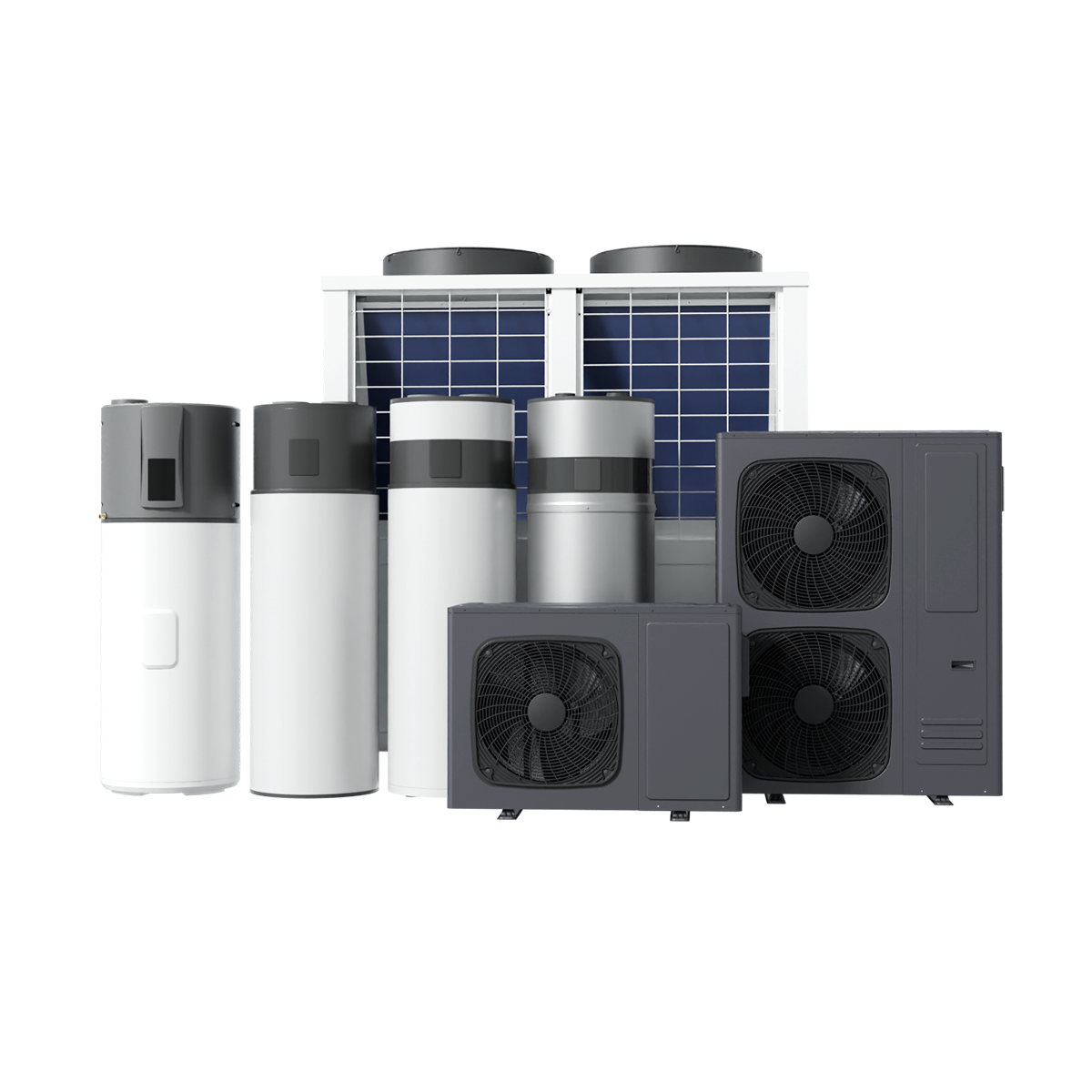
The R290 DC Inverter Monobloc Heat Pump represents the pinnacle of this technology shift. Combining heating, cooling, and domestic hot water in a single outdoor unit, this all-in-one solution delivers A+++ energy efficiency, operates in extreme climates down to -30°C, and uses the most environmentally responsible refrigerant available today.
This article explores why R290 monobloc heat pumps are becoming the industry standard, where they are used, and what makes them a smart investment for B2B buyers in 2026 and beyond.
The 2026 Heat Pump Market: A Growth Story Backed by Numbers
Market Size and Trajectory
The numbers tell a compelling story. The global heat pump market was valued at $93.52 billion in 2025** and is projected to reach **$211.93 billion by 2034, representing a compound annual growth rate (CAGR) of 9.82%. The commercial heat pump segment alone is valued at approximately $15.8 billion** and is expected to grow to **$45.68 billion by 2035 with an 11.2% CAGR.
In Europe—the fastest-growing region for air-source heat pump adoption—sales across 16 major countries rebounded by 10% in 2025, reaching approximately 2.62 million units. This brings the total installed base of heat pumps in Europe to around 28 million units.
What’s Driving This Growth?
1. Regulatory Pressure
The EU’s revised Energy Performance of Buildings Directive mandates zero-emission standards for new public buildings from 2028 and all new buildings from 2030. Meanwhile, the F-Gas Regulation is phasing down high-GWP refrigerants, with a GWP < 150 threshold for all heat pumps taking effect from 2027. R290, with its ultra-low GWP of just 3, is the natural—and inevitable—choice.
2. Energy Price Volatility
European natural gas futures spiked to nearly €52 per megawatt-hour in early 2026—an increase of 84% since the start of the year. For buildings still burning fossil fuels, this volatility creates a powerful financial incentive to electrify heating systems.
3. Government Subsidies
Countries across Germany, France, and the Nordic region are offering substantial subsidies for heat pump installations, making the transition more affordable for building owners.
What Makes the R290 DC Inverter Monobloc Heat Pump Unique?
1. All-in-One Functionality: Heating, Cooling & Hot Water
The R290 monobloc heat pump is a variable frequency single-unit outdoor air-source heat pump that integrates three essential functions into one system: space heating, space cooling, and domestic hot water production. This eliminates the need for separate boiler, chiller, and water heater systems—reducing equipment costs, installation complexity, and maintenance requirements.
For B2B buyers, this means:
-
Lower total cost of ownership
-
Simplified inventory management
-
Faster project completion
2. R290 Refrigerant: The Future-Proof Choice
R290 (propane) is a natural refrigerant with multiple advantages over synthetic alternatives:
| Feature | R290 Advantage |
|---|---|
| Global Warming Potential | GWP = 3—the lowest among common refrigerants |
| F-Gas Compliance | Fully compliant with EU regulations from 2027 onward |
| Energy Efficiency | Higher thermodynamic efficiency than R410A |
| Carbon Reduction | Achieves up to 75% reduction in global warming potential |
| Regulatory Safety | Exempt from future HFC refrigerant bans |
As one manufacturer puts it: “The shift toward R290 heat pumps is not just a trend—it is a regulatory inevitability in Europe.”
3. DC Inverter Technology: Precision and Efficiency
The DC inverter compressor modulates its output in real-time based on demand, rather than cycling on and off like traditional systems. This delivers:
-
Stable temperature control with minimal fluctuations
-
Up to 30–40% annual energy savings compared to traditional on/off systems
-
Quieter operation—as low as 31 dB(A) in some models
-
Extended equipment lifespan through reduced wear and tear
4. Monobloc Design: Simplicity and Safety
The monobloc configuration houses all refrigerant components in a single outdoor unit. Only water pipes connect the outdoor unit to the indoor heating system—no refrigerant pipes run through the building.
Key advantages for B2B buyers:
-
No F-gas certified installer required—refrigerant stays sealed outdoors
-
No risk of refrigerant leaks inside the building
-
Simpler, faster installation—typically completed within one day
-
Easier maintenance—single unit service vs. separate indoor/outdoor maintenance
5. Cold Climate Performance
Unlike earlier generation heat pumps that struggled in freezing conditions, modern R290 monobloc systems are engineered for extreme cold climates:
-
Heating operation down to -30°C ambient temperature
-
75°C high-temperature water output—even at -20°C outdoor conditions
-
Intelligent defrost management ensures reliable performance through harsh winters
This makes R290 heat pumps ideal for boiler replacement projects—they can directly replace gas boilers in existing buildings without modifying radiators or heat emitters.
Where Are R290 Monobloc Heat Pumps Used?
The R290 DC Inverter Monobloc Heat Pump is designed for a wide range of residential, commercial, and light industrial applications:
Residential Applications
-
Single-family homes and villas
-
Apartment buildings and multi-residential complexes
-
Holiday homes and second residences
Commercial Applications
-
Hotels and resorts—consistent heating, cooling, and DHW for guest rooms, kitchens, and laundries
-
Office buildings—year-round comfort with low operating costs
-
Healthcare facilities—high-temperature sanitary hot water with strict hygiene requirements
-
Retail spaces and shopping centers
-
Educational institutions—schools and universities
Light Industrial Applications
-
Small manufacturing facilities
-
Warehouses and storage facilities
-
Agricultural buildings
Retrofit and Boiler Replacement
One of the fastest-growing application segments is boiler replacement. With gas boiler bans taking effect across Europe, R290 heat pumps offer a drop-in replacement that delivers:
-
Up to 75% energy savings compared to electric water heaters
-
Up to 79% carbon reduction compared to fossil fuel boilers
-
No changes required to existing radiators or heat emitters
Why B2B Buyers Should Choose R290 Heat Pumps in 2026
1. Regulatory Compliance = Risk Reduction
By choosing R290 heat pumps now, distributors and contractors avoid compliance risks associated with refrigerants that will be phased out under the F-Gas Regulation. This future-proofing protects your business from:
-
Inventory obsolescence
-
Regulatory penalties
-
Lost market opportunities
2. Strong Market Demand
European heat pump sales are rebounding strongly, and R290 systems are leading the market in emissions reduction and efficiency gains. For B2B buyers, this translates to:
-
Growing customer base—building owners are actively seeking R290 solutions
-
Higher margins—premium products command premium prices
-
Repeat business—satisfied customers return for more
3. OEM/ODM Flexibility
For brands and distributors, leading R290 heat pump manufacturers offer customization options including:
-
Custom branding and housing
-
Control system localization
-
Certification alignment (CE, MCS, Keymark)
-
Capacity and feature customization
4. Bulk Supply and Logistics
The monobloc design with standardized dimensions simplifies logistics and increases shipping container loading capacity—reducing freight costs for bulk orders. Factory-direct pricing makes R290 heat pumps competitive for bulk purchasing.


