
High-efficiency installation cuts energy costs by over 70% compared to electric boilers and delivers annual CO₂ reductions of 77 tons
Taiyuan, Shanxi, China — May 2026 — A large-scale centralized hot water project combining solar thermal technology with ultra-low temperature air source heat pumps has successfully completed its first year of stable operation at the new campus of Shanxi Vocational and Technical College in Qingxu County, Taiyuan City. The hybrid system was commissioned in June 2025 to provide 24-hour domestic hot water for the school’s student dormitories, with a daily output capacity of 60 metric tons.
Project Specifications & Technology
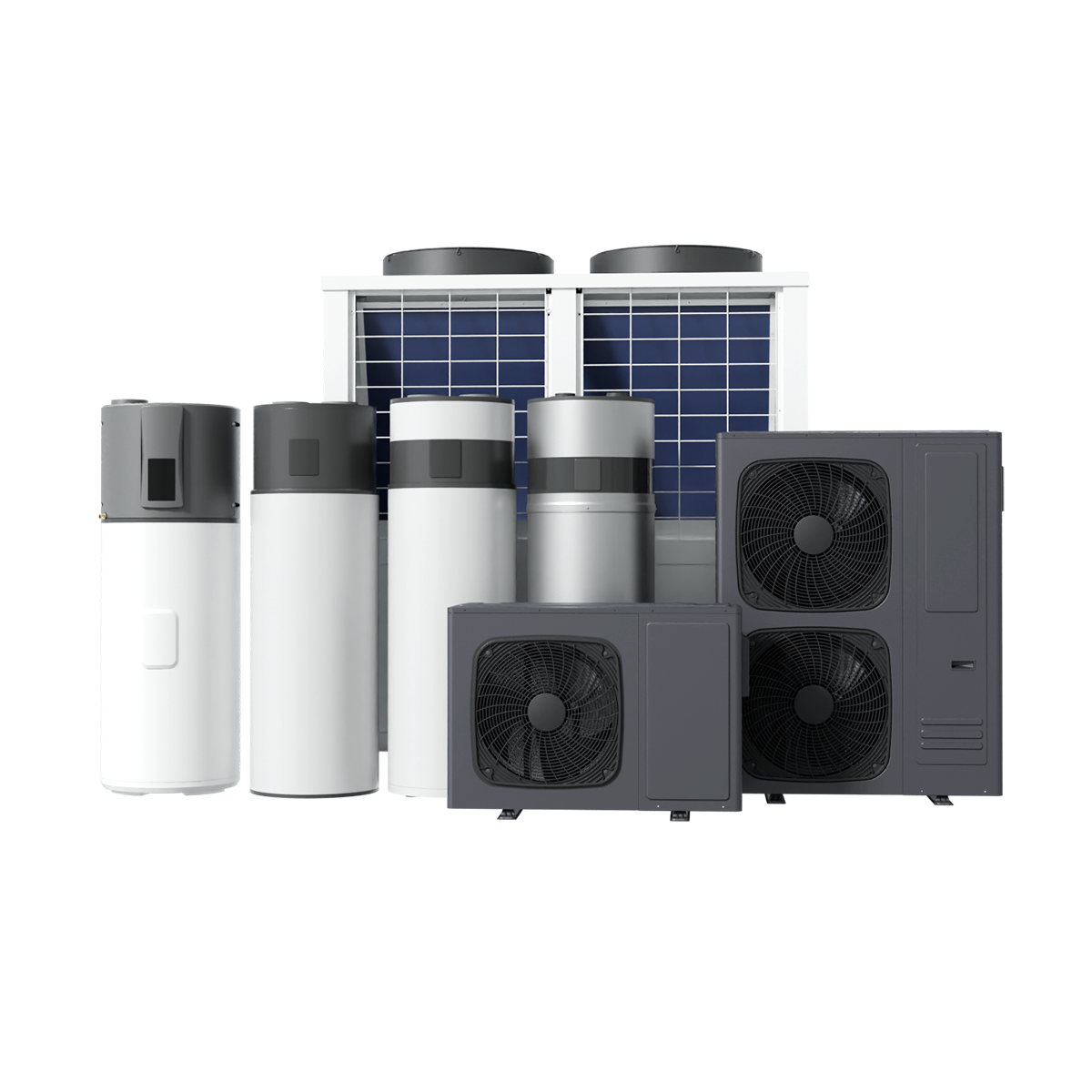
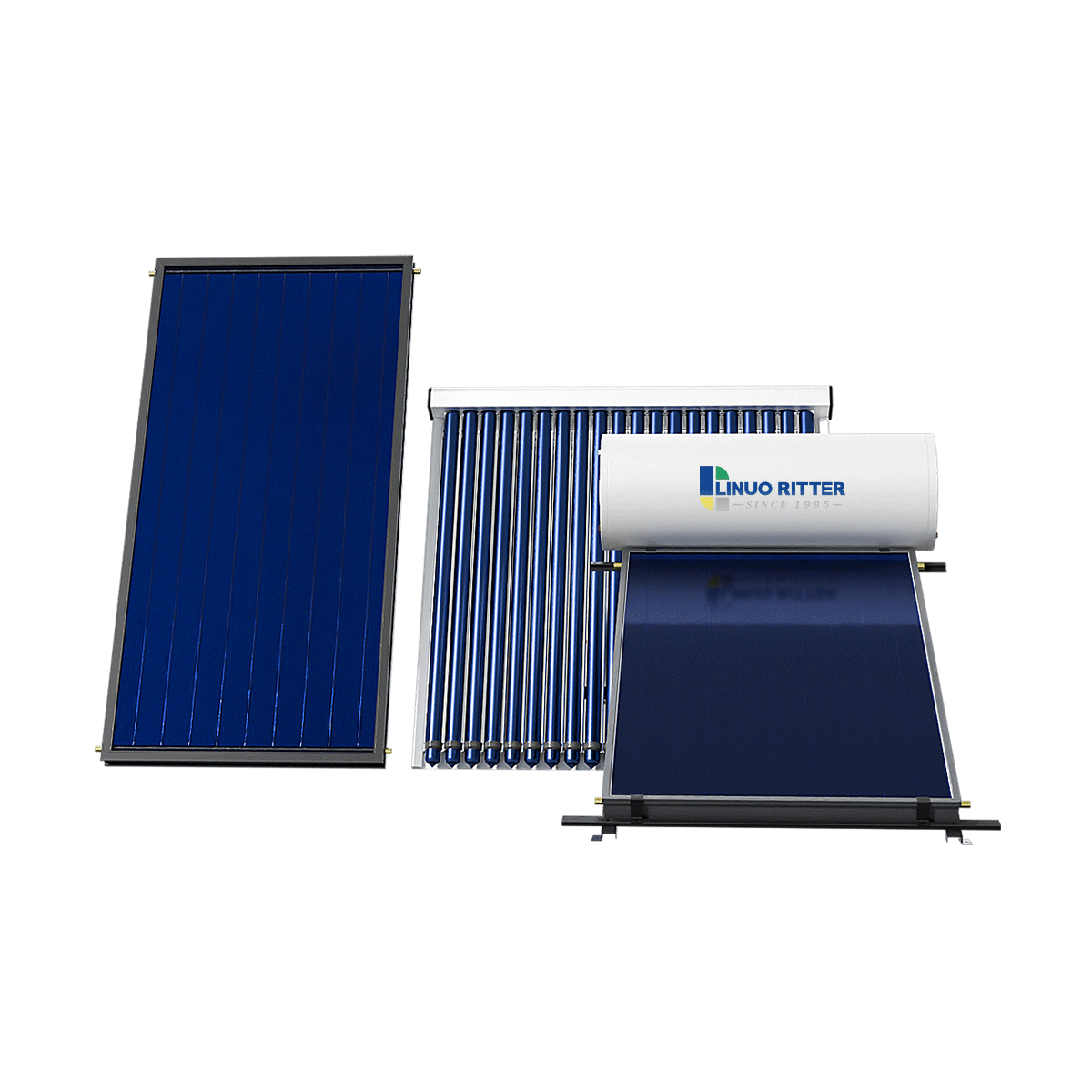
The installation utilizes 53 sets of high-efficiency flat-plate solar collectors integrated with three 60-horsepower ultra-low temperature air source heat pump water heater units. The dual-source design maximizes solar gain during daylight hours while the heat pumps ensure continuous supply during nighttime, overcast periods, and the harsh winter conditions typical of northern China. This configuration guarantees uninterrupted 24/7 hot water delivery across the entire campus dormitory complex.
Proven Performance & Economic Returns
After 12 months of continuous operation, the system has demonstrated outstanding energy efficiency:
-
System COP: Approximately 4.5
-
Energy Consumption: Less than 13 kWh per ton of hot water produced
-
Operating Cost Savings: Over 80% reduction compared to conventional gas boilers, and more than 70% savings versus standard electric boiler systems
-
Investment Payback Period: Approximately 2.5 years
Environmental Impact
The project delivers significant sustainability benefits, reducing carbon emissions by an estimated 77 tons of CO₂ annually. This makes it a benchmark installation for educational institutions seeking to transition from fossil-fuel-based heating to renewable, clean-energy solutions.
A Model for Institutional Applications
“This project validates the reliability and economic viability of hybrid solar-heat pump systems in large-scale residential and institutional settings,” the project team noted. “Even in sub-zero winter temperatures, the ultra-low temperature heat pumps maintained stable performance, confirming their suitability for cold-climate regions.”
The successful one-year track record at Shanxi Vocational and Technical College demonstrates a scalable model for schools, universities, hospitals, and commercial facilities worldwide looking to decouple hot water production from volatile fossil fuel prices while meeting aggressive carbon reduction targets.
