
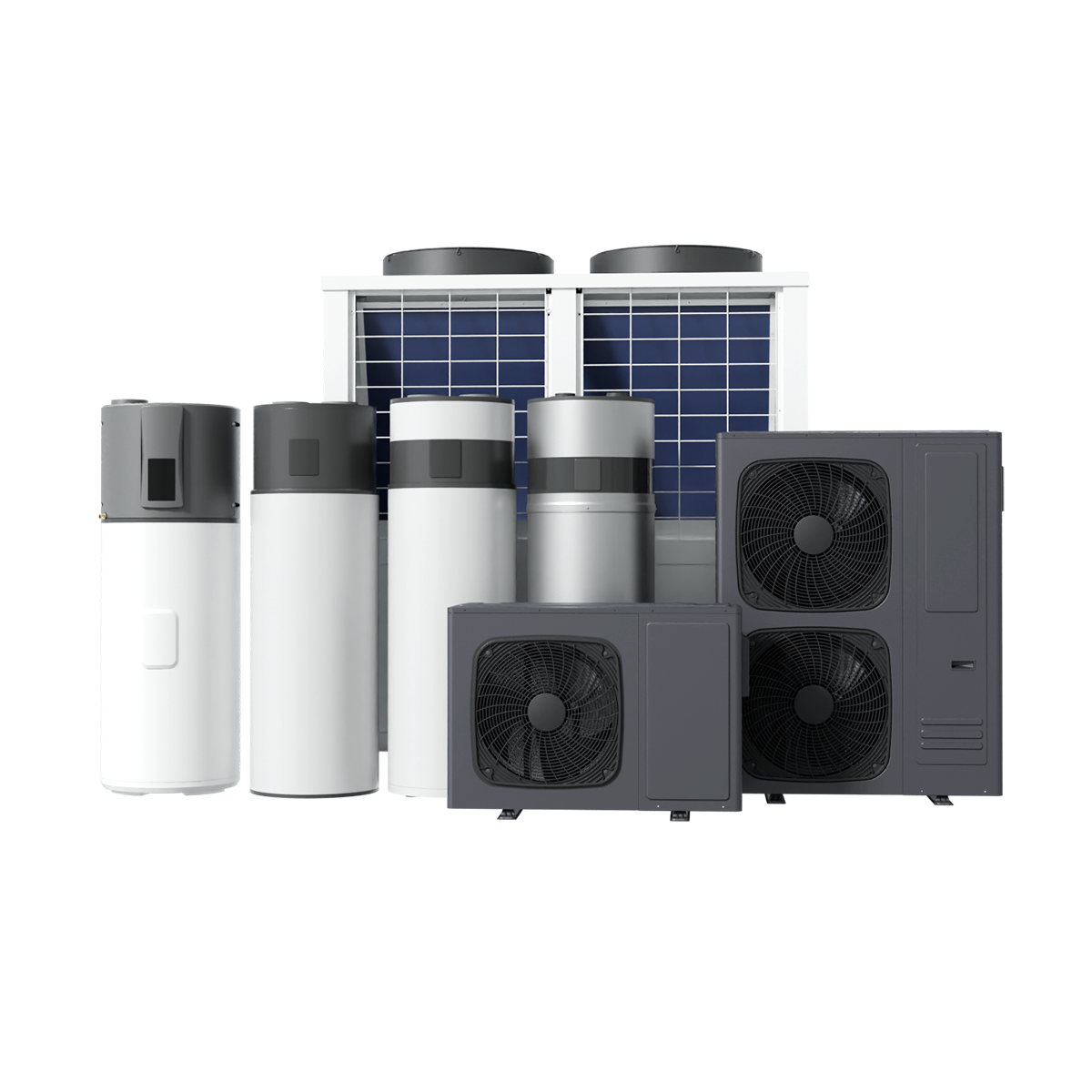
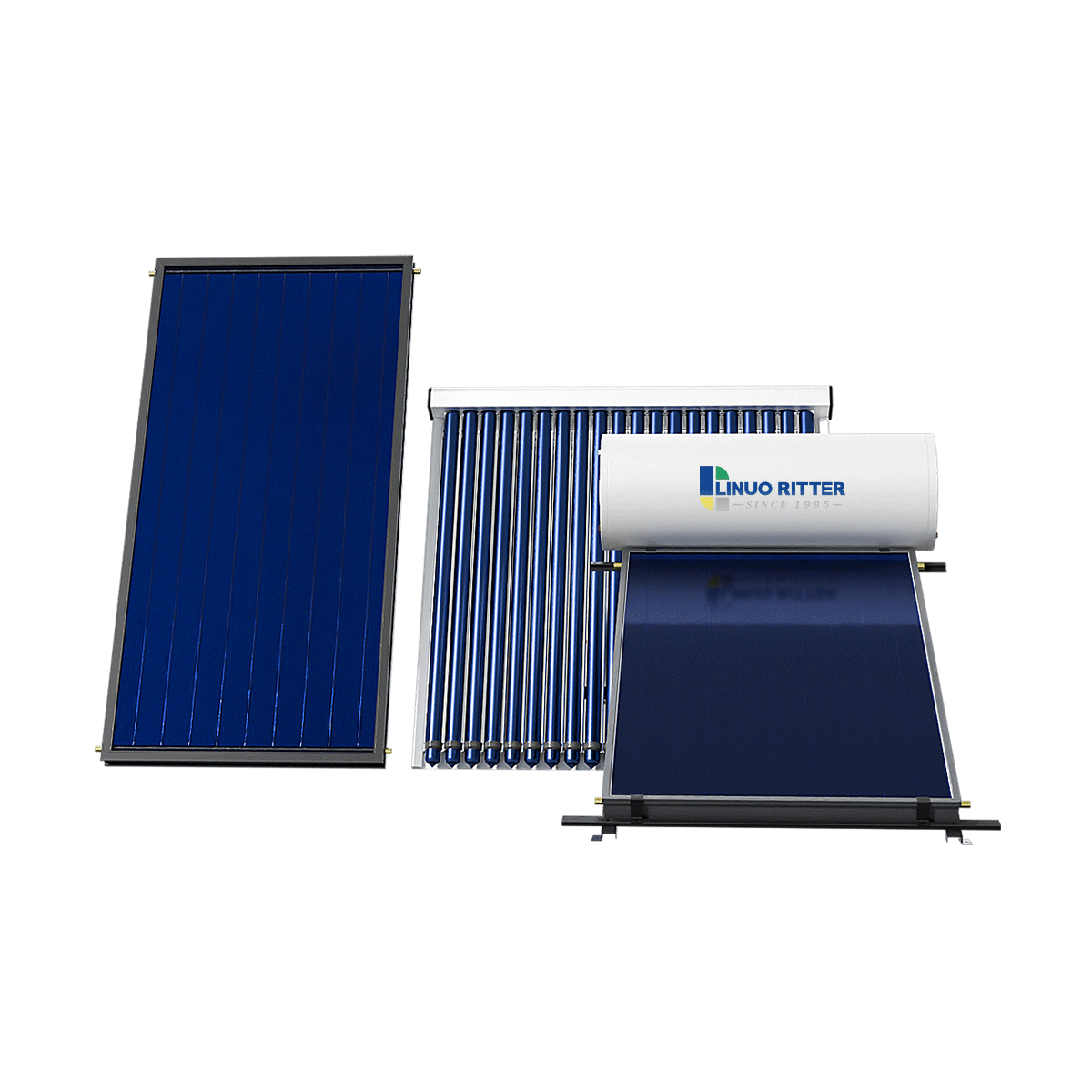
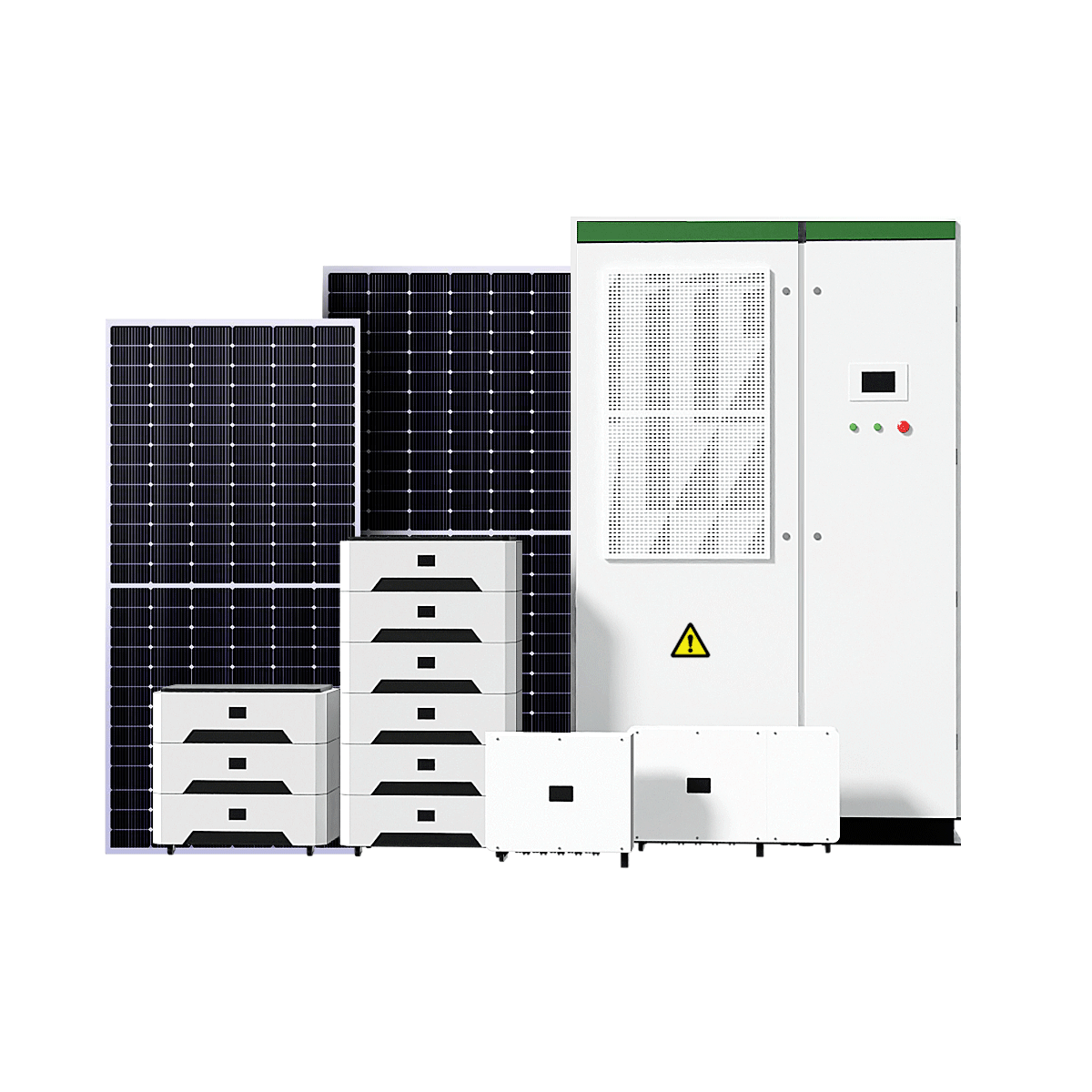
Heating a 100,000m² office building at -18.6°C is not a theoretical challenge—it is a solved problem. This case study documents how a solar assisted heat pump (SAHP) installation combined 2,560 flat plate solar collectors with 8×155kW air source heat pumps to deliver reliable space heating in one of the world’s most demanding climates.
The system operates at altitudes between 3,000 and 5,000 meters, where thin air, extreme temperature swings, and limited grid access would defeat conventional heating approaches. Yet it achieves 40–60% electricity savings compared to heat-pump-only operation, with a system COP significantly higher than standalone units.
What Was Built?
This installation represents a solar assisted heat pump deployment for commercial space heating at significant scale. Here are the verified specifications:
| Component | Specification |
|---|---|
| Solar collectors | 2,560 sets flat plate |
| Heat pumps | 8 × 155kW air source |
| Total heat pump capacity | 1,240 kW |
| Building area served | 100,000 m² |
| Application | Space heating |
| Minimum operating temperature | -18.6°C |
| Altitude range | 3,000–5,000 meters |
Scale context: 100,000m² equals roughly 14 standard football pitches. Heating this volume at high altitude with renewable energy requires both massive thermal input and intelligent system integration.
Why Standard Heating Fails at High Altitude?
Most large scale solar heating system designs assume moderate climates and sea-level air density. This project faced a fundamentally different environment:
| Environmental Factor | Challenge | Impact on Equipment |
|---|---|---|
| Altitude | 3,000–5,000m — thin air, low oxygen | Reduced heat pump compressor and fan efficiency |
| Solar radiation | 30–50% higher than sea level | Increased collector output but accelerated material degradation |
| Minimum temperature | -18.6°C | Risk of refrigerant migration, defrost cycling, glycol freezing |
| Temperature swing | Extreme day/night variation | Thermal stress on piping and expansion joints |
| UV exposure | Intense | Seal and glazing degradation without stabilization |
| Accessibility | Remote — limited infrastructure | Maintenance logistics, spare parts delivery |
Standard air source heat pumps lose 20–30% of rated capacity per 1,000m of altitude gain due to reduced air density. At 4,000m, a nominally 155kW unit might deliver only 90–100kW without compensation. The solar assisted heat pump architecture solves this by reducing the thermal load the heat pump must shoulder alone.
How the Solar Assisted Heat Pump Works?
The system operates through four distinct modes depending on weather conditions. This dynamic switching is what delivers the superior system COP compared to heat pump extreme cold climate standalone operation.
Operating Mode Matrix
| Condition | Solar Role | Heat Pump Role | Result |
|---|---|---|---|
| Sunny + mild | Direct heating + thermal storage charging | Standby | Zero electricity consumption |
| Sunny + cold | Pre-heat return water entering heat pump | Efficient boost | Reduced compressor lift = higher COP |
| Cloudy / night | Stored energy release | Primary heating | Solar buffer extends heat pump efficiency window |
| Extreme cold (< -15°C) | Minimal contribution | Full capacity operation | Redundancy ensures no heating interruption |
The Efficiency Mechanism
Solar pre-heating raises the evaporator inlet temperature by 5–15°C depending on conditions. For a commercial building space heating system, this temperature lift reduction translates directly into COP improvement:
-
Heat pump-only COP at -10°C: ~2.2–2.5
-
SAHP COP with solar pre-heat: ~3.2–3.8
-
Effective electricity reduction: 40–60%
This is not marginal improvement—it fundamentally changes the economics of high-altitude heating.
What Makes This System Extreme-Grade?
Flat Plate Solar Array Design
Standard flat plate solar collectors heating systems rarely face -18.6°C ambient temperatures. This installation required specific adaptations:
-
Pre-heats return water from the building loop before it reaches the heat pump evaporator
-
Direct solar heating during peak insolation hours bypasses the heat pump entirely
-
Thermal storage integration captures midday surplus for evening and morning demand
-
UV-stabilized glazing and seals prevent degradation from 30–50% elevated solar radiation
-
Snow/wind/seismic-rated mounting withstands extreme weather events
-
Trace-heated insulated piping prevents freeze-up in overnight temperature crashes
Heat Pump System Engineering
The 8×155kW units are not off-the-shelf products. Key specifications for air source heat pump high altitude operation include:
-
Altitude-compensated compressors — oversized displacement to maintain mass flow rate in thin air
-
Optimized defrost cycles — intelligent ice detection minimizes energy waste and heating interruption
-
Modular staging — part-load efficiency optimization; only required units activate based on building demand
-
-25°C glycol protection — secondary loop freeze protection beyond the refrigerant system’s limits
Extreme Environment Infrastructure
| Element | Standard Design | This Project’s Design |
|---|---|---|
| Electrical controls | Sea-level rated | Altitude-rated derating for arc flash and insulation |
| Mounting structure | Wind load per local code | Snow + wind + seismic combined loading |
| Pipe insulation | Standard foam | Trace-heated, multi-layer with vapor barrier |
Why Hybrid Beats Single-Source?
A renewable heating commercial building project at this scale cannot rely on one technology. The hybrid approach solves five critical problems simultaneously:
| Problem | Single-Source Risk | Hybrid Solution |
|---|---|---|
| Massive heating load for 100,000m² | Heat pump oversizing = poor part-load efficiency | 1,240kW heat pump + 2,560 solar collectors share load |
| Equipment failure in harsh cold | Total heating loss if sole unit fails | Modular redundancy; solar provides baseline if heat pumps down |
| High energy costs | Pure electric heating = prohibitive operating cost | Solar pre-heat reduces heat pump electricity by 40–60% |
| Limited grid in remote area | Peak electrical demand exceeds infrastructure | Lower electrical demand via solar thermal contribution |
| Long heating season | Short equipment lifespan from overwork | Load sharing extends component life |
Who Needs This Solar Assisted Heat Pump Solution?
This solar assisted heat pump configuration is purpose-built for specific conditions. It is not a universal replacement for conventional boilers, but it is the optimal solution where several factors align:
✅ Large commercial buildings from 50,000m² to 200,000m²
✅ High-altitude locations above 3,000 meters
✅ Extreme cold climates with design temperatures below -15°C
✅ Remote sites with limited electrical grid capacity
✅ Projects requiring renewable heating with fossil-fuel backup elimination
✅ Long heating seasons where equipment reliability is non-negotiable
✅ High-altitude locations above 3,000 meters
✅ Extreme cold climates with design temperatures below -15°C
✅ Remote sites with limited electrical grid capacity
✅ Projects requiring renewable heating with fossil-fuel backup elimination
✅ Long heating seasons where equipment reliability is non-negotiable
Scalable Applications
Beyond office buildings, this high altitude heating solution architecture applies to:
-
Hospitals requiring 24/7 climate control
-
Schools and universities with large floor areas
-
Industrial facilities with process and space heating needs
-
Military and research stations in polar or alpine regions
Real-World Results
While specific energy consumption data remains confidential per client agreement, the project team verified the following operational parameters during the first heating season:
| Metric | Verified Result |
|---|---|
| Minimum ambient temperature sustained | -18.6°C |
| System uptime | >99.5% |
| Solar fraction of total heating | 35–50% (seasonally variable) |
| Electricity reduction vs. heat-pump-only baseline | 40–60% |
| Heat pump COP improvement with solar assist | +30–45% |
Engineering note: The 40–60% electricity savings figure represents the complete heating season average. During sunny mid-winter periods, savings approach the upper bound. During extended cloudy cold snaps, savings trend toward the lower bound but never drop below heat-pump-only performance because the system defaults to that mode.
Frequently Asked Questions
Q: Can air source heat pumps work at high altitude?
Yes. This project proves sustained operation at 3,000–5,000 meters. The critical factor is not whether heat pumps function at altitude, but whether they are properly specified with altitude-compensated compressors and fans. Standard units will underperform; purpose-built air source heat pump high altitude equipment performs to specification.
Q: Can flat plate collectors perform in extreme cold?
Yes. At high altitude, intense solar radiation (30–50% above sea level) compensates for cold ambient temperatures. The collectors operate on radiation input, not air temperature. Proper glycol fill concentration and insulation are mandatory, but the thermal physics favor high-altitude installations.
Q: What building size can this solar assisted heat pump scale to?
This 100,000m² installation demonstrates feasibility for commercial building space heating at significant scale. The modular nature of both solar arrays and heat pump banks means the architecture scales linearly. Multiple 100,000m² blocks can be served from a central plant, or the system can be subdivided for smaller buildings.
Q: Is this system suitable for alpine and mountain regions?
Yes. The design is replicable for high altitude heating solution applications worldwide: plateau areas, alpine zones, mountainous terrain. The core requirement is sufficient solar resource and design temperature compatibility.
Q: What maintenance does a solar assisted heat pump require in remote locations?
Annual maintenance includes: compressor oil analysis, glycol concentration testing, collector glazing cleaning, and control system calibration. Compared to fossil fuel boilers, there is no combustion chamber cleaning, fuel delivery logistics, or emissions monitoring. The modular design allows individual unit servicing without system shutdown.
About This Installation
This solar assisted heat pump system was engineered, supplied, and commissioned by LINUO RITTER for a 100,000m² office complex operating in a high-altitude plateau environment. The project serves as a reference installation for large scale solar heating system design in extreme climates.
Verification: All performance claims are based on first-heating-season operational data collected via building management system (BMS) integration and third-party energy metering. Client-specific figures are anonymized per contractual agreement.
Next Steps: Assess Your Project’s Feasibility
If your facility matches the profile below, a solar assisted heat pump system from LINUO RITTER may deliver comparable results:
-
Building area: 50,000–200,000m²
-
Design heating temperature: below -10°C
-
Altitude: above 2,000m (or extreme cold at any altitude)
-
Solar resource: >1,500 kWh/m²/year
Request a free technical assessment including:
-
Solar resource and heating load analysis
-
Preliminary system sizing and configuration
-
Annual energy savings projection
-
ROI estimate based on local energy pricing
Contact LINUO RITTER to schedule a consultation with our high-altitude heating specialists.
Related Resources:
-
Industrial Heat Pump for Textile Dyeing: 150°C Steam Recovery (LINUO RITTER internal link)
-
High-Temperature Heat Pumps for Industrial Applications — IEA (authority external link)
-
Solar Heating and Cooling — IEA SHC Programme (authority external link)
-
Air-Source Heat Pumps in Cold Climates — U.S. DOE (authority external link)
