
The textile dyeing and finishing industry consumes up to 200 kWh of thermal energy per ton of fabric processed. With rising natural gas prices and stricter carbon emission regulations in the EU, US, and Southeast Asia, textile manufacturers are actively searching for industrial heat pump solutions that can replace or supplement traditional gas-fired boilers.
This guide explains how an integrated multi-energy hot water and steam system—combining wastewater heat recovery, high-efficiency heat pumps, and dual solar technology—delivers reliable process heat while cutting operational costs.
Why Textile Dyeing Plants Need a New Thermal Strategy
Traditional dyeing houses rely heavily on standalone steam boilers and electric heaters. This approach creates three persistent problems:
-
Energy waste: Dyeing wastewater at 60–90°C is discharged directly into treatment plants, carrying away massive amounts of recoverable heat.
-
High fuel dependency: Natural gas boilers expose manufacturers to volatile fuel markets and carbon taxes.
-
Fragmented systems: Separate heating, cooling, and water treatment equipment increase maintenance complexity and capital expenditure.
An industrial heat pump for textile dyeing addresses all three issues by treating thermal energy as a circular resource rather than a linear input.
How the Multi-Energy System Works (Real Plant Layout)
The system diagram below illustrates a closed-loop thermal network designed specifically for textile manufacturing environments. Here is the step-by-step process:
Step 1 – Wastewater Heat Recovery
Hot wastewater from the dyeing area (typically 50–80°C after the dyeing cycle) flows into a dedicated heat exchanger instead of being sent directly to the wastewater treatment area.
-
The heat exchanger transfers thermal energy from the dirty wastewater to a clean water loop.
-
This pre-heated clean water is then directed back to the existing water tank.
-
Result: The heat pump plant receives water at a higher starting temperature, reducing the electrical lift required and improving Coefficient of Performance (COP).
This is the single most impactful efficiency gain in the entire system.
Step 2 – High-Efficiency Heat Pump Plant
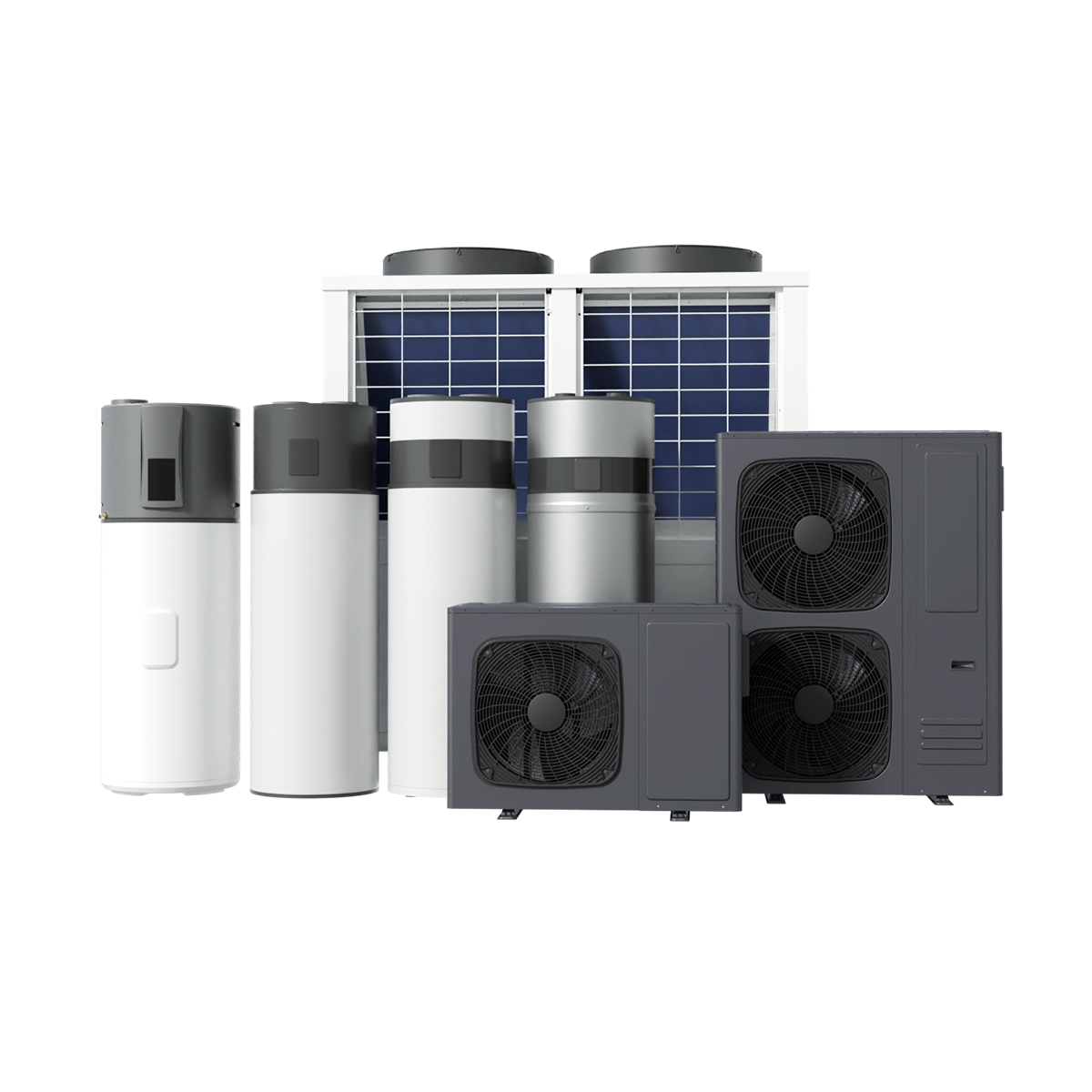
The heat pump plant serves as the central thermal engine. Unlike conventional boilers that burn fuel to create heat, industrial heat pumps use electricity to move heat from a low-temperature source (recovered wastewater) to a high-temperature sink (process water and steam).
Key functions of the heat pump unit:
-
Accepts waste water and clean water streams
-
Generates hot water (for dyeing and drying processes)
-
Generates chilled water (for workshop area cooling and climate control)
-
Interfaces with steam generation equipment
Modern textile industry heat pump systems can achieve COP values between 3.5 and 5.5, meaning every 1 kWh of electricity produces 3.5–5.5 kWh of usable thermal energy.
Step 3 – Dual Solar Integration
The system integrates two distinct solar technologies to minimize grid electricity consumption:
| Solar Technology | Function | Connection |
|---|---|---|
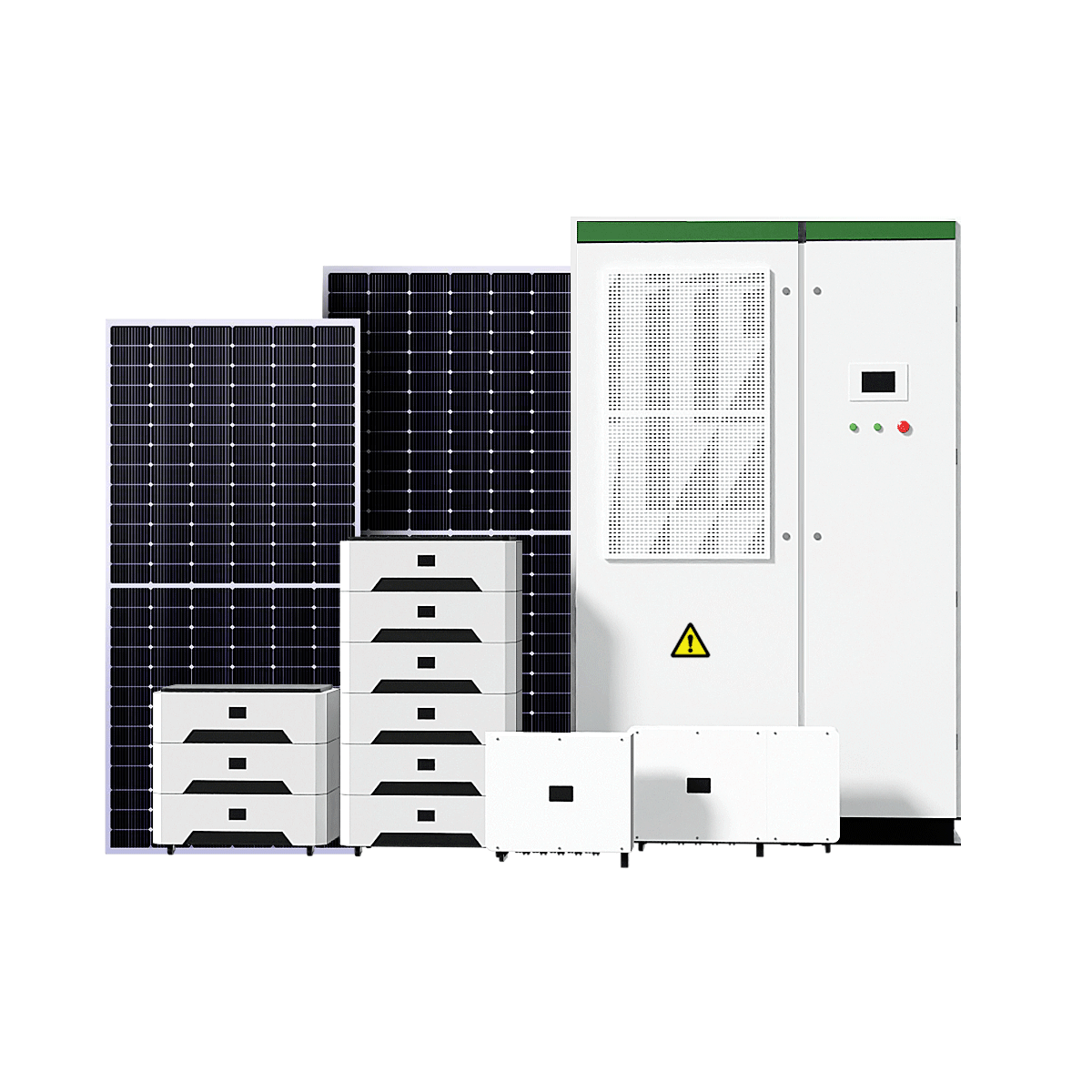
| Solar PV Panels | Generate electricity to power the heat pump compressors and auxiliary equipment | Direct electrical coupling to the plant |
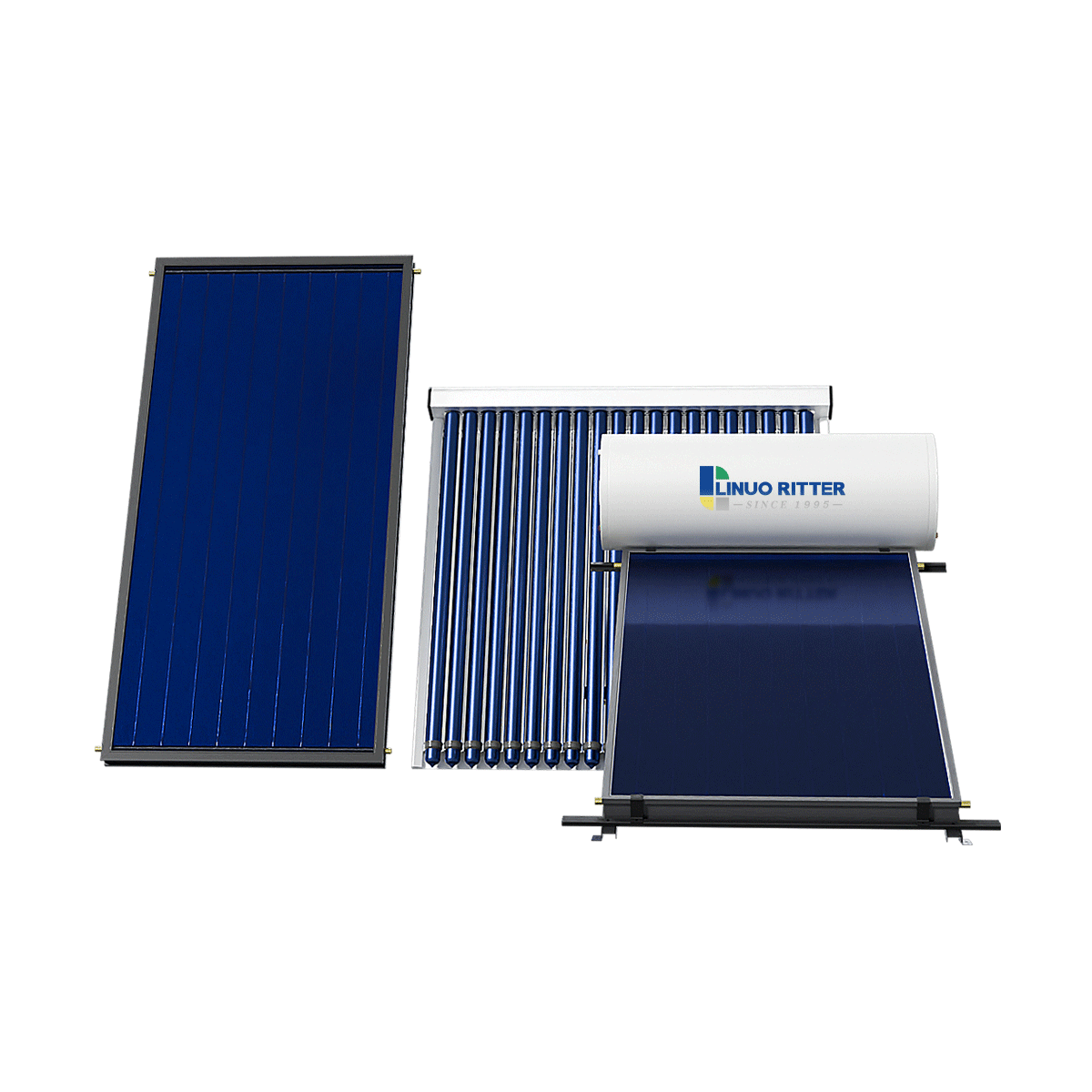
| Solar Heatubes (Solar Thermal Collectors) | Pre-heat water using solar thermal energy before it enters the heat pump circuit | Direct thermal coupling to the water loop |
This dual-solar approach ensures that both the electrical input and the thermal input of the system benefit from renewable energy.、
Step 4 – Closed-Loop Water Management
Clean water recovered from the heat exchanger returns to the existing water tank. This reduces:
-
Freshwater intake from municipal or well sources
-
Total wastewater discharge volume
-
Chemical treatment costs at the wastewater treatment area
Three Outputs from One Integrated Platform
One of the strongest value propositions of this multi-energy hot water system for textile factories is its ability to deliver three distinct thermal outputs simultaneously:
1. Hot Water Supply → Dyeing and Drying Area
High-temperature water (70–90°C) is piped directly to jet dyeing machines, stenters, and drying cylinders. This replaces the hot water previously generated by gas boilers.
2. Steam Supply → Steam Compressor & Process Lines
The heat pump plant feeds a steam generator or vessel, which produces low-to-medium pressure steam. A steam compressor then boosts this steam to the pressure and temperature required by specific dyeing recipes and finishing processes.
This steam generation heat pump configuration eliminates the need for standalone steam boilers during off-peak or partial-load conditions.
3. Chilled Water → Workshop Area
The evaporator side of the heat pump produces chilled water as a byproduct. This is routed to air handling units in the workshop area, providing free or low-cost factory cooling—particularly valuable in tropical and subtropical textile hubs.
Key Benefits for Textile Manufacturers
Energy Cost Reduction
By recovering waste heat and leveraging high-COP heat pump technology, textile plants typically see thermal energy cost reductions of 40–60% compared to gas boiler baselines.
Carbon Footprint Compliance
With solar PV offsetting electrical demand and waste heat replacing fossil combustion, this textile plant carbon reduction technology helps manufacturers meet:
-
EU Carbon Border Adjustment Mechanism (CBAM) requirements
-
Corporate ESG reporting standards
-
LEED and Green Factory certifications
Water Conservation
The closed-loop design reduces freshwater withdrawal by 15–25%, an increasingly critical factor in water-scarce manufacturing regions.
Operational Integration
The system is designed as a retrofit-friendly solution. It connects to:
-
Your existing water tank
-
Your current wastewater treatment area
-
Standard dyeing and drying equipment
No replacement of core production machinery is required.
Technical Specifications Overview
| Parameter | Typical Range |
|---|---|
| Heat Pump Capacity | 200 kW – 2,000 kW (modular expansion) |
| Hot Water Output Temperature | 70°C – 95°C |
| Steam Output Pressure | 2 – 8 bar (with steam compressor) |
| Chilled Water Temperature | 7°C – 12°C |
| Wastewater Inlet Temperature | 40°C – 80°C |
| System COP | 3.5 – 5.5 |
| Solar PV Contribution | 20–40% of electrical load |
| Payback Period | 2.5 – 4 years (depending on local energy prices) |
Who Is This Solution Designed For?
This industrial heat pump supplier solution is ideal for:
-
Woven and knit fabric dyeing houses with continuous or batch processing
-
Textile finishing plants using stenters, calenders, and drying ranges
-
Garment washing facilities generating large volumes of hot wastewater
-
Sustainability-focused mills seeking to replace coal or gas boilers
-
New greenfield textile projects requiring integrated energy and water design
Frequently Asked Questions (FAQ)
Can a heat pump really generate steam for textile dyeing?
Yes. While standard heat pumps produce hot water, integrating a steam generator or vessel with a steam compressor allows the system to deliver process steam at the temperatures and pressures required by most dyeing recipes.
What happens when solar output is low or at night?
The system is grid-connected. During low-solar periods, the heat pump plant draws electricity from the grid. The waste heat recovery loop operates 24/7, ensuring baseline efficiency regardless of weather conditions.
How much wastewater heat can actually be recovered?
In typical cotton dyeing operations, wastewater leaves the machines at 60–80°C. A well-designed textile wastewater heat recovery system can capture 60–70% of this thermal energy.
Is this system suitable for existing plants or only new builds?
It is primarily designed as a retrofit energy saving solution for dyeing and finishing plants. The modular heat pump skids, heat exchangers, and solar arrays can be installed alongside existing boilers and water tanks.
What is the typical return on investment?
Most textile manufacturers achieve full payback within 2.5 to 4 years, driven by fuel savings, reduced water costs, and—in some regions—renewable energy subsidies or carbon credits.
Ready to Reduce Your Dyeing Plant’s Energy Costs?
If you are evaluating industrial heat pump systems for textile manufacturing, the next step is a site-specific energy audit. Our engineering team analyzes your current thermal load, wastewater profile, and roof space to design a customized multi-energy configuration.
Contact us today for a free feasibility study and ROI calculation tailored to your dyeing house.
